Product Description
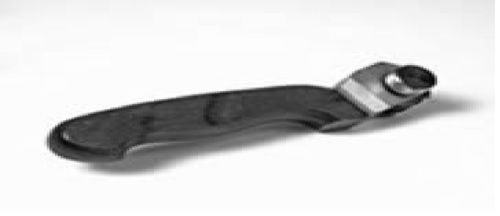
Over the past years, we have been involved in supplying and exporting a huge range of Cross Hatch Cutter. These are made in compliance with BS 3900; E6, ASTM D 3359, BS/DIN EN ISO 2409 standards at our vendors state of the art machining facility. Our Cross Hatch Cutter is largely used for checking the adhesion strength of various paints applied on the metal surfaces. Furthermore, we offer these cutters to the clients at a pocket friendly price.
Features:
- Portable size
- Easy to use
- Flawless finish
Further Details:
Get a quotation
| SKU |
Name |
|
| 750/1 |
1mm spacing - 6 blades (coatings up to 60m) |
|
750/2
|
1mm spacing - 11 blades (coatings up to 60m) |
|
| 750/3 |
1.5mm spacing - 6 blades (intermediate version) |
|
| 750/4 |
2mm spacing - 6 blades (coatings 61m to 120m) |
|
| 750/5 |
3mm spacing - 6 blades (coatings 121m to 250m) |
|
| 750/CK |
Accessories for Cross Hatch Cutter ISO complaint |
Versatile Testing Across Multiple SurfacesOur Cross Hatch Cutter is compatible with a variety of surfaces, including metal, wood, and plastics, making it suitable for diverse industries. The precision-hardened stainless steel blades ensure consistent performance whether you are testing coatings in an industrial laboratory or on-site applications. The tools adaptability to different materials gives users the confidence that each adhesion test delivers dependable results.
Comprehensive Accessories for Enhanced UsabilityEach Cross Hatch Cutter comes complete with essential accessories: a cleaning brush for maintenance, a magnifying glass for detailed inspection, and a protective carrying case for safe transportation. The inclusion of these accessories not only extends the lifespan of the cutter but also improves the accuracy and efficiency of testing proceduresenabling users to carry and deploy the device wherever quality assurance is required.
Reliable Manual Operation for Accurate ResultsDesigned for manual operation, this Cross Hatch Cutter offers tactile control and immediate feedback during testing. The ergonomic handle, made from durable metals and plastics, provides comfort over extended use. Manual testing ensures precision without the need for power sources, making the cutter an ideal solution for both field and laboratory environments. Its simple, robust construction reduces potential downtime and training needs.
FAQs of CROSS HATCH CUTTER:
Q: How do I properly use the Cross Hatch Cutter for coating adhesion tests?
A: To use the Cross Hatch Cutter, press the stainless steel blade onto the coated surface and pull it to create a series of parallel cuts. Rotate the cutter 90 degrees and repeat the process to form a cross-hatch pattern. After cutting, use the included brush to remove debris and examine the grid with the magnifying glass to evaluate coating adhesion.
Q: What surfaces can I test with this Cross Hatch Cutter?
A: This cutter is designed to test adhesion on a range of materials, such as metal, wood, and plastics, making it suitable for multiple industries, including manufacturing, construction, and quality control.
Q: When should I perform a cross hatch adhesion test?
A: Adhesion tests should be conducted after applying coatings and before putting products or surfaces into service, ensuring coating durability and suitability for intended use.
Q: Where is this Cross Hatch Cutter typically used?
A: The Cross Hatch Cutter is ideal for both laboratory and on-site applications, often used by paint manufacturers, quality inspectors, construction professionals, and laboratories in India and internationally.
Q: What is the process for cleaning and maintaining the cutter?
A: After each use, utilize the supplied cleaning brush to remove coating debris from the blades. Store the tool in its protective case to prevent blade damage. Regular inspection with the magnifying glass ensures the cutting edge remains sharp and clean.
Q: What are the benefits of using a manual Cross Hatch Cutter?
A: Manual operation offers enhanced control, immediate feedback, and reliable test results without the need for electrical powermaking it suitable for remote or resource-limited environments.
 08045815658
 Send Inquiry


 English
 Spanish
 French
 German
 Italian
 Chinese (Simplified)
 Japanese
 Korean
 Arabic
 Portuguese
 Get A Quote